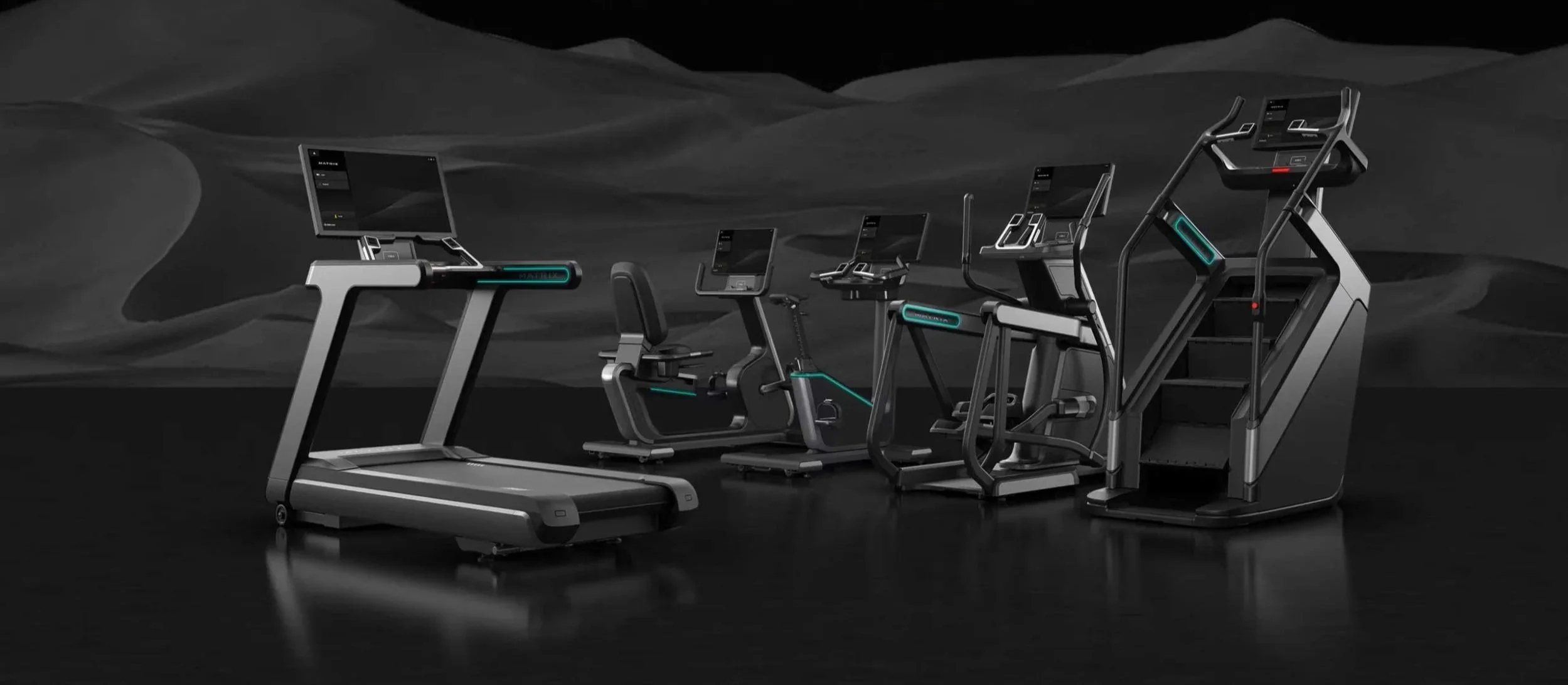
ONYX Console Collection
Designing an integrated digital and physical experience for a premium line of connected fitness equipment.
ROLE
UX/UI Designer
FOCUS
Interaction Design · Prototyping · Usability Testing · Embedded UI · Haptics Physical/Digital Experience
PLATFORMS
Touchscreen Console · Handgrip Touchscreens · Treadmill · Elliptical · Bike · Stair Climber
The Challenge
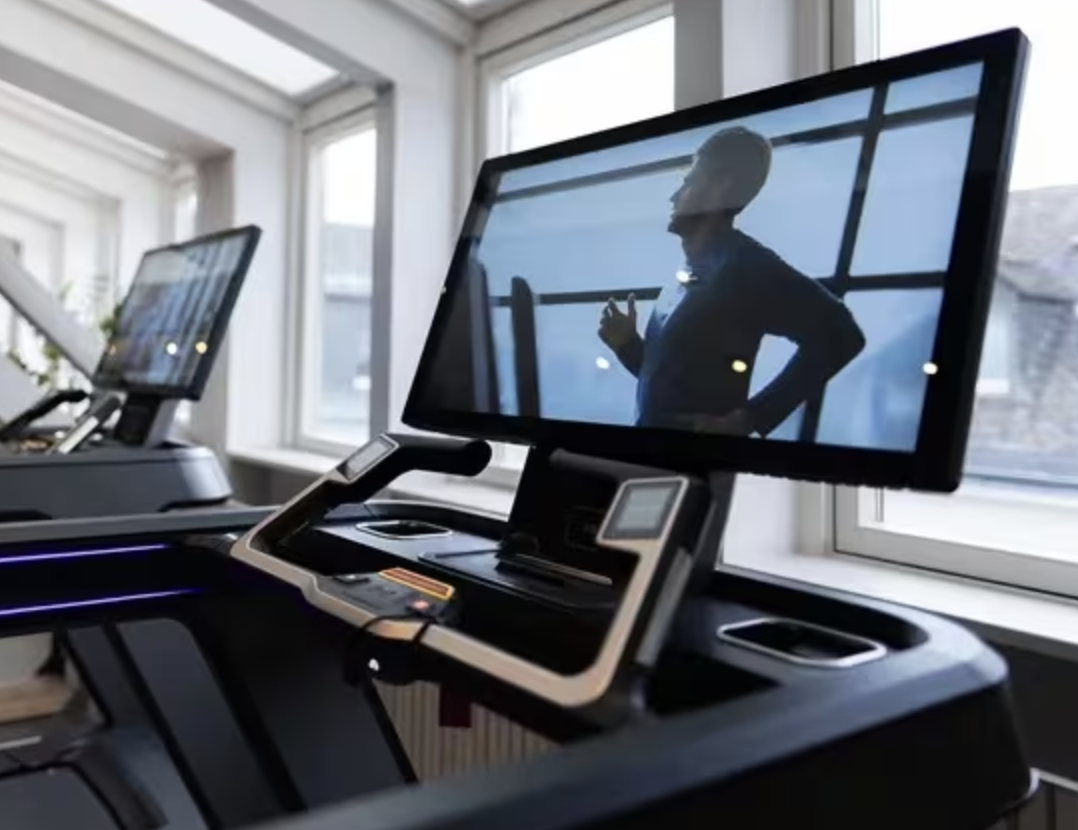
Designing one experience across screens, controls, movement, and equipment. Matrix set out to create a premium cardio experience inspired by luxury automotive design. The concept combined a large touchscreen console, smaller touchscreen controls integrated into the handgrips, haptic feedback, and lighting throughout the equipment.
The UX challenge was bigger than designing a single interface. The digital and physical controls needed to work together intuitively while users were actively exercising, and the experience needed to translate across treadmills, ellipticals, bikes, and stair climbers.
My Approach
Prototype
Use early physical prototypes to evaluate control placement, reach, and interaction before the hardware was finalized.
Design
Translate research into user stories, requirements, information architecture, and flows for each audience.
Test
Evaluate the experience with users while they actively exercised across multiple equipment types and speeds.
Refine
Explore haptic feedback and lighting as additional ways to communicate information without relying solely on the screen.
Research & Discovery
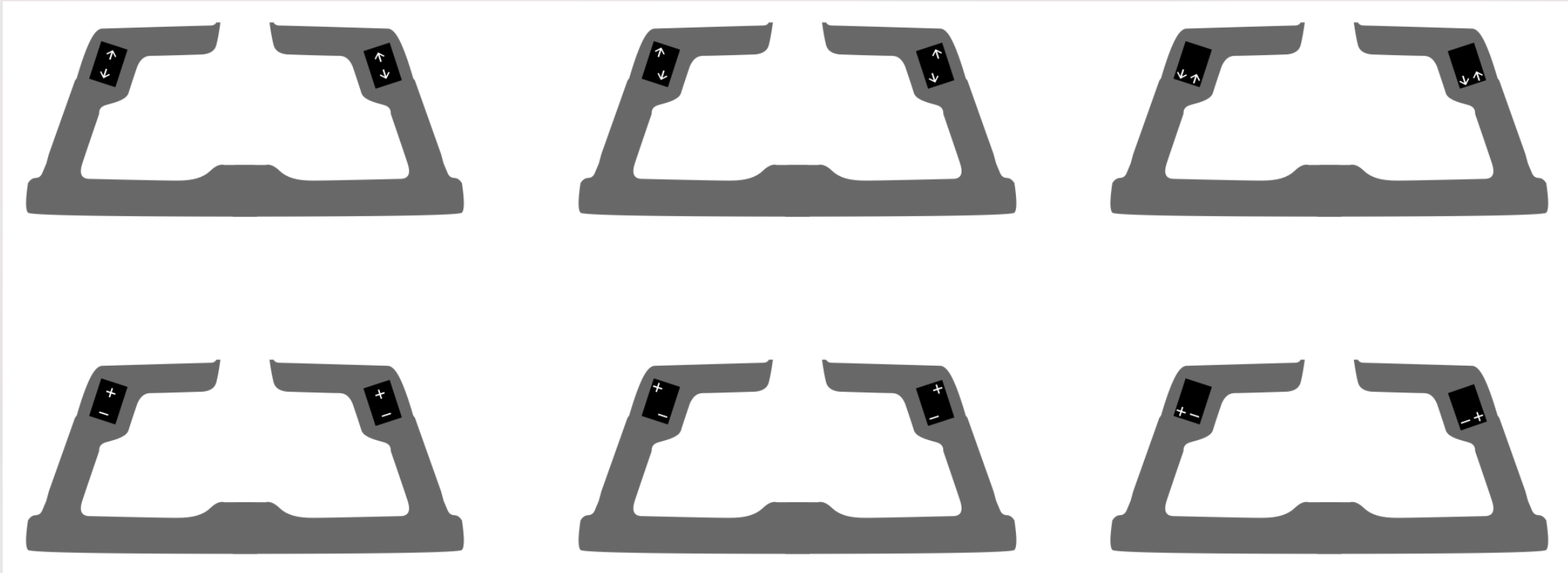
Testing the experience in motion.
I worked alongside the industrial design team to understand how interface decisions affected the physical product and how the physical product affected the interface.
Early testing used 3D-printed hardware with different button placements to evaluate reach and interaction. This helped us explore how controls should be positioned before the equipment was finalized.
I then wireframed the controls and workout experiences and tested them with users while they exercised at different speeds across multiple types of cardio equipment.
Design Decisions
Deciding Where the Information Belonged
The experience included a primary touchscreen console and smaller touchscreen controls integrated into the equipment’s handgrips. One of the central design questions was determining which information and controls belonged on each surface.
The goal was not to duplicate the main interface on a smaller screen. The secondary controls needed to give users convenient access to relevant functions while they were actively exercising, reducing the need to shift attention or reach toward the main console.
I translated the research and product requirements into user flows and wireframes before developing the interface across device types. This allowed the experience to maintain a consistent structure while adapting to the needs and limitations of each platform.
Designing Beyond the Screen
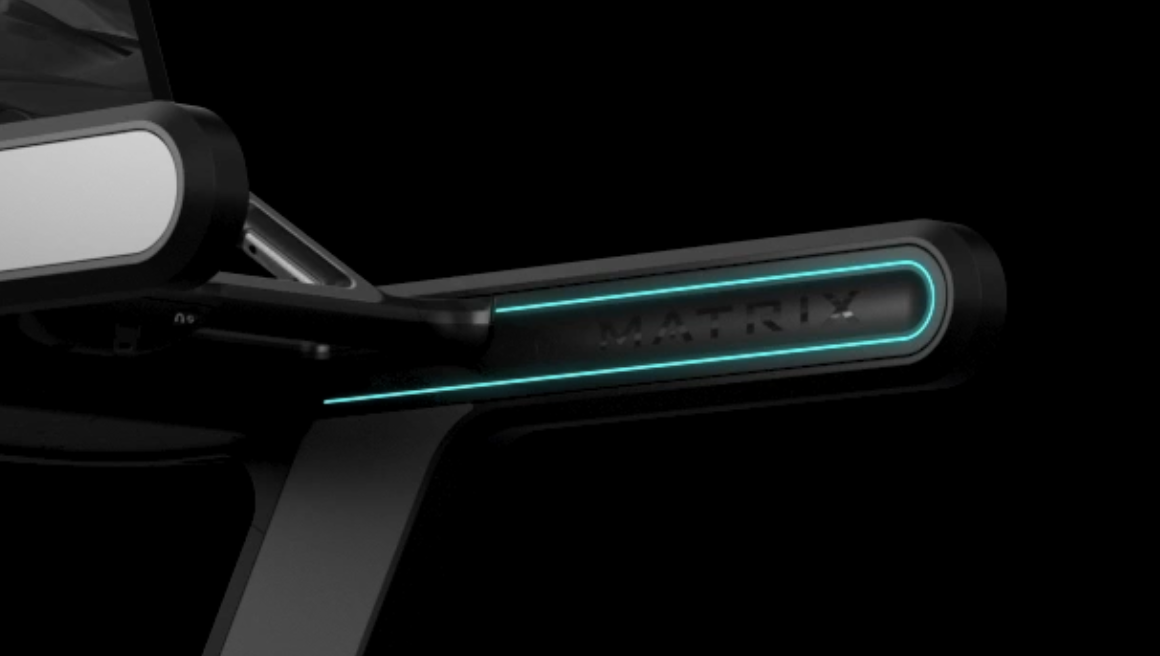
The main console, handgrip controls, haptic feedback, and lighting were not separate features. They were parts of one interaction system. As the hardware and UI developed, I tested haptic-feedback patterns and provided recommendations for how lighting could communicate system states and workout information.
Lighting, for example, could reinforce workout intensity or communicate equipment status without requiring users to shift their attention to the screen.
Prototyping, Testing, and Collaboration
Designing the interface and hardware as one experience.
Testing the product while users were actively exercising revealed issues that would have been difficult to identify from static screen designs alone.
Reach, movement, viewing angle, workout intensity, and equipment type all affected how people interacted with the controls. Working closely with industrial design allowed those findings to inform both the digital interface and the physical product as the experience evolved.
The Final Experience
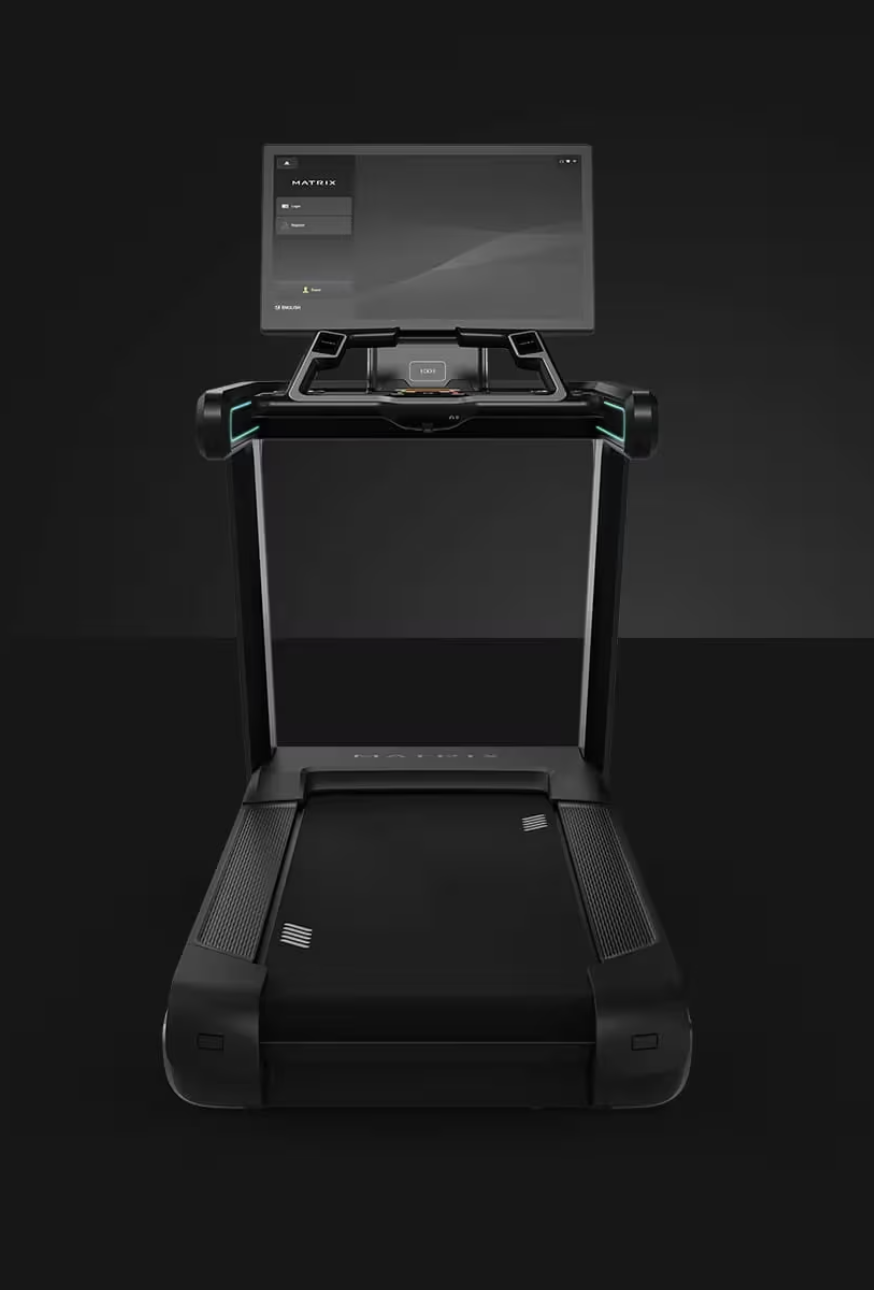
A coordinated experience across physical and digital touchpoints.
The final concept brought the primary console, secondary controls, haptic feedback, and equipment lighting together as one connected interaction system.
Rather than asking users to rely on a single touchscreen, information and feedback could be delivered through the touchpoint best suited to the moment—supporting an experience designed around people who were actively moving.
Outcome & Reflection
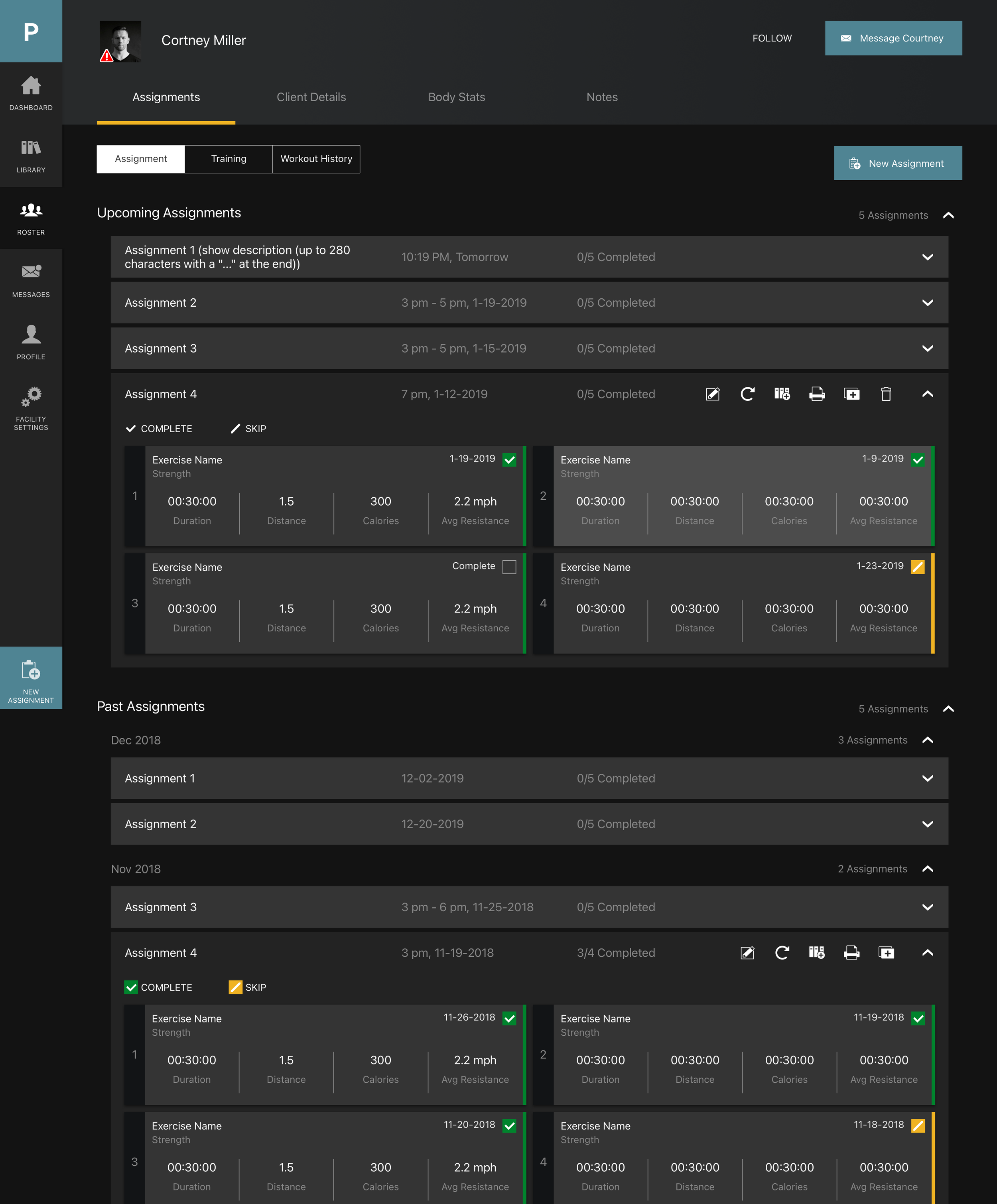
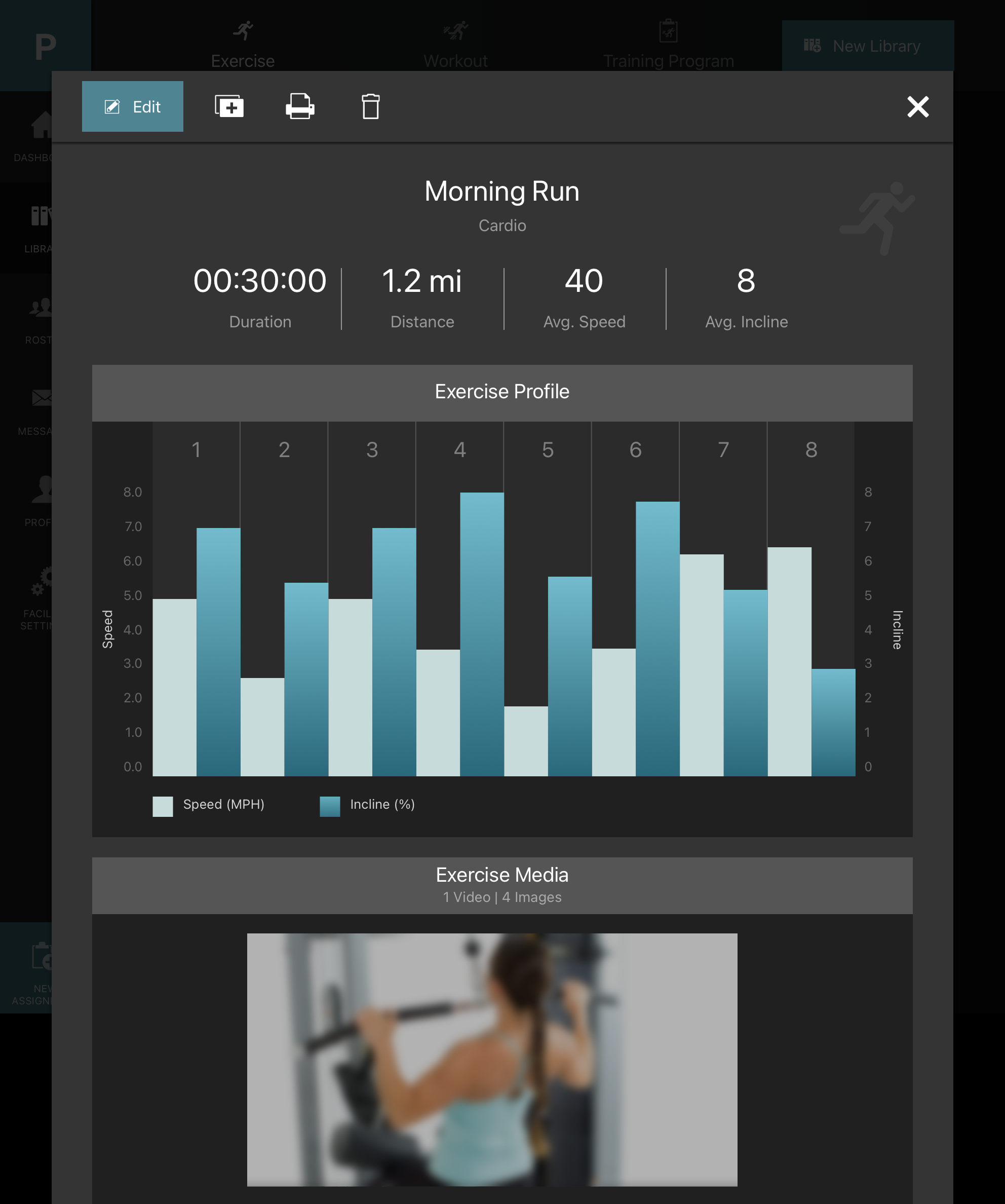
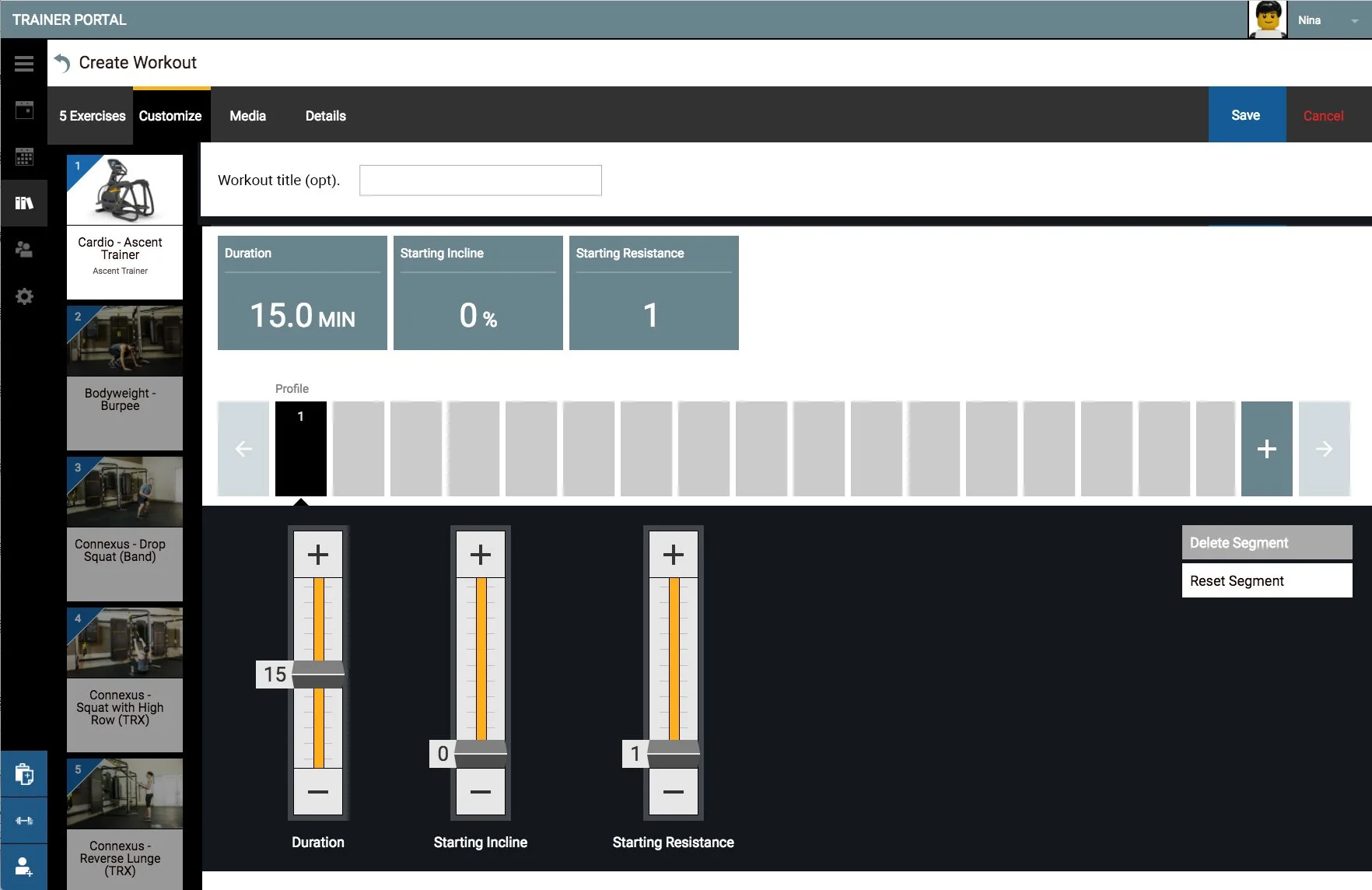
The ONYX concept explored how a premium connected-fitness experience could extend beyond a central touchscreen and into the physical equipment itself. Through physical prototyping, in-context usability testing, interface design, haptics, and lighting, the project created a more integrated relationship between hardware and software.
Testing early with physical prototypes was critical. Decisions that seemed logical on-screen changed once users were moving, reaching, and interacting with the equipment in context. The project reinforced an approach I have carried into later work: design the complete experience around the user’s environment, not just the interface in front of them.