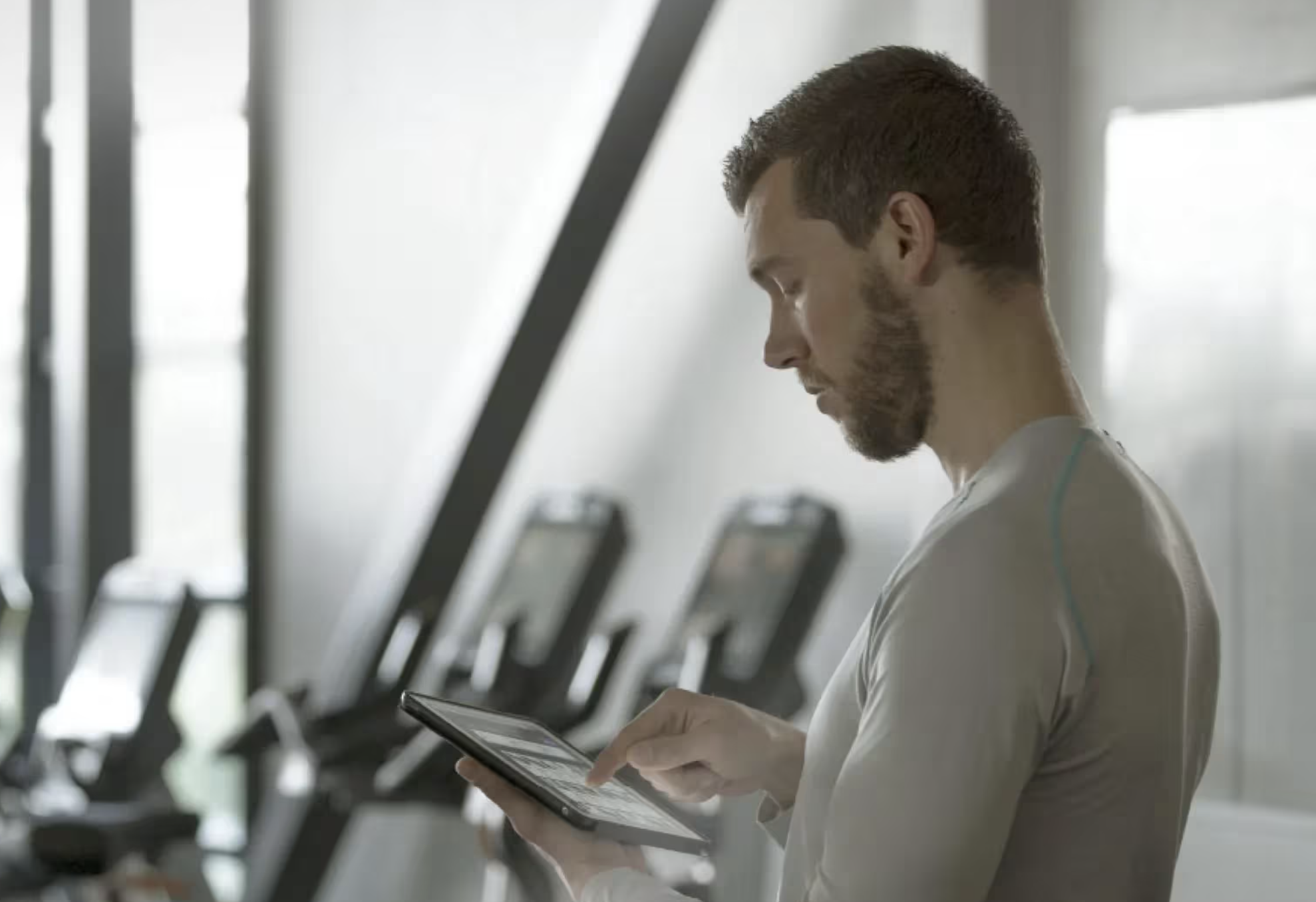
Personal Trainer Portal
Creating one connected fitness ecosystem for trainers, exercisers and gym owners across personal devices and fitness equipment.
ROLE
UX/UI Designer
FOCUS
Research, IA, UX/UI
PLATFORMS
Web, Mobile & Fitness Consoles
USERS
Trainers, Exercisers & Gym Owners
The Challenge
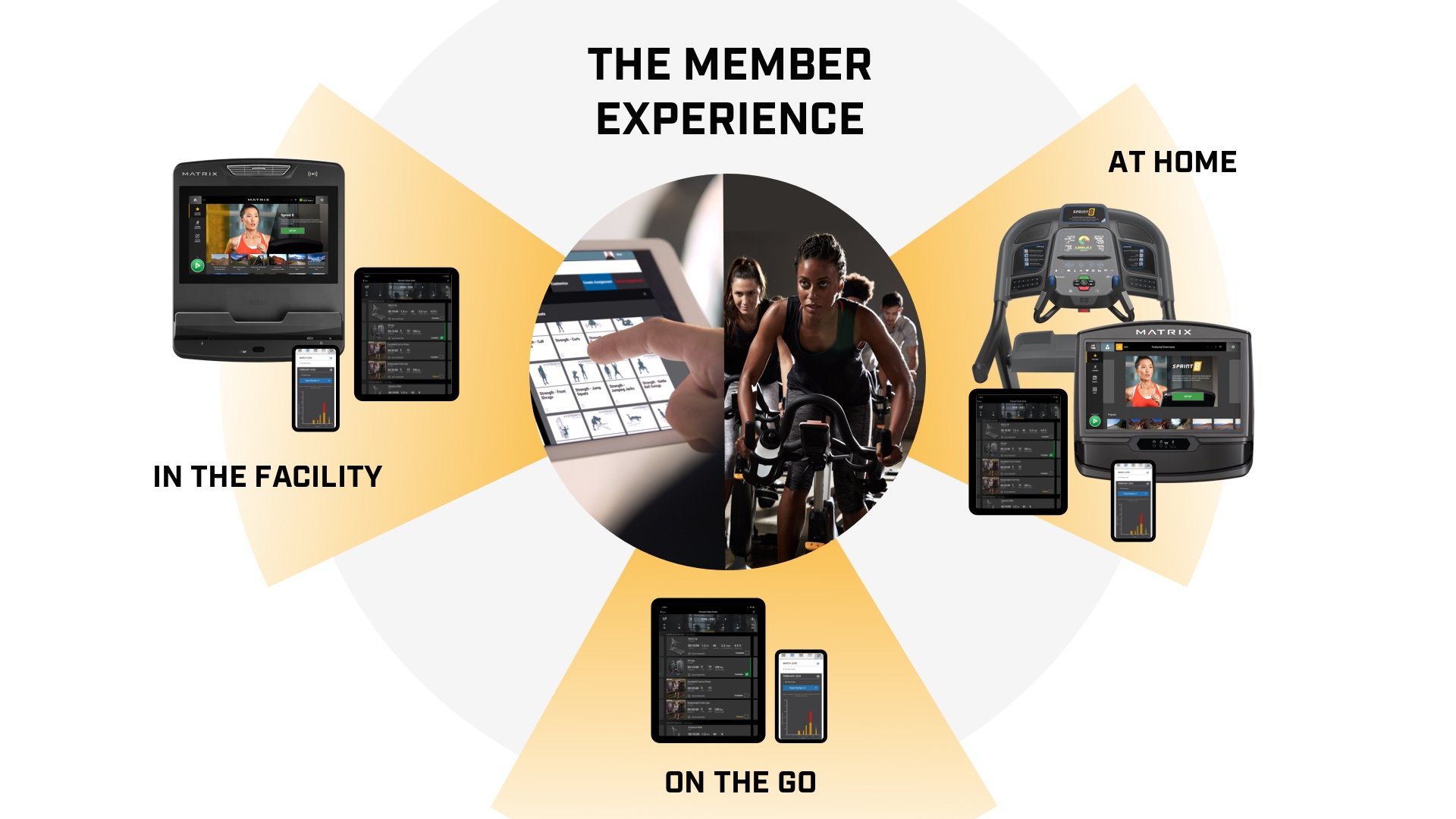
The Personal Trainer Portal needed to support three very different types of users within one connected ecosystem.
Trainers needed tools for managing clients and building workouts. Exercisers needed to receive assignments, communicate with trainers and track their progress. Gym owners needed visibility into trainers, clients and workout libraries.
Those experiences then needed to work across personal devices, commercial fitness equipment and home equipment.
The Approach
Understand
Research existing products and interview gym owners, personal trainers, and clients to understand their needs, expectations, and workflows.
Define
Translate research into user stories, requirements, information architecture, and flows for each audience.
Design
Develop wireframes and interfaces that connect the experience across personal devices and fitness equipment.
Deliver
Collaborate with development and maintain clear documentation so requirements stay aligned across platforms and teams.
Research & Discovery
Understanding three sides of the experience
I began by researching existing products and interviewing gym owners, personal trainers, and their clients. The goal was to understand not only what each group needed from the product, but how their needs connected.
Those findings were translated into user stories for each audience. This helped establish product requirements, organize development tasks, and create a clearer picture of how information and actions needed to move through the ecosystem.
Design Decisions
Designing for Continuity Across Devices
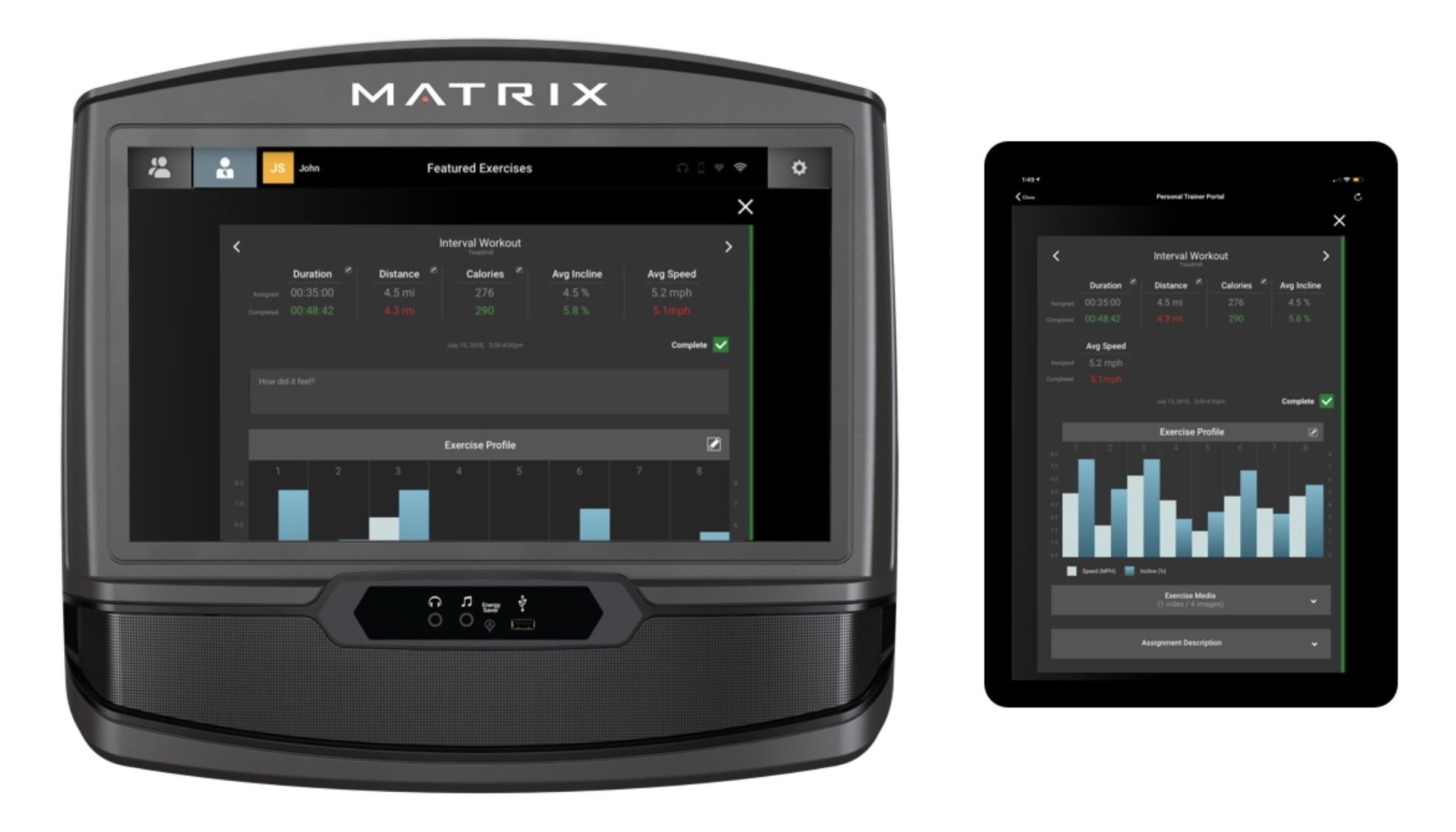
One of the central challenges was determining what needed to remain consistent across platforms and what needed to change depending on context. A workout assigned by a trainer on desktop, for example, still needed to make sense when an exerciser encountered it on a fitness console.
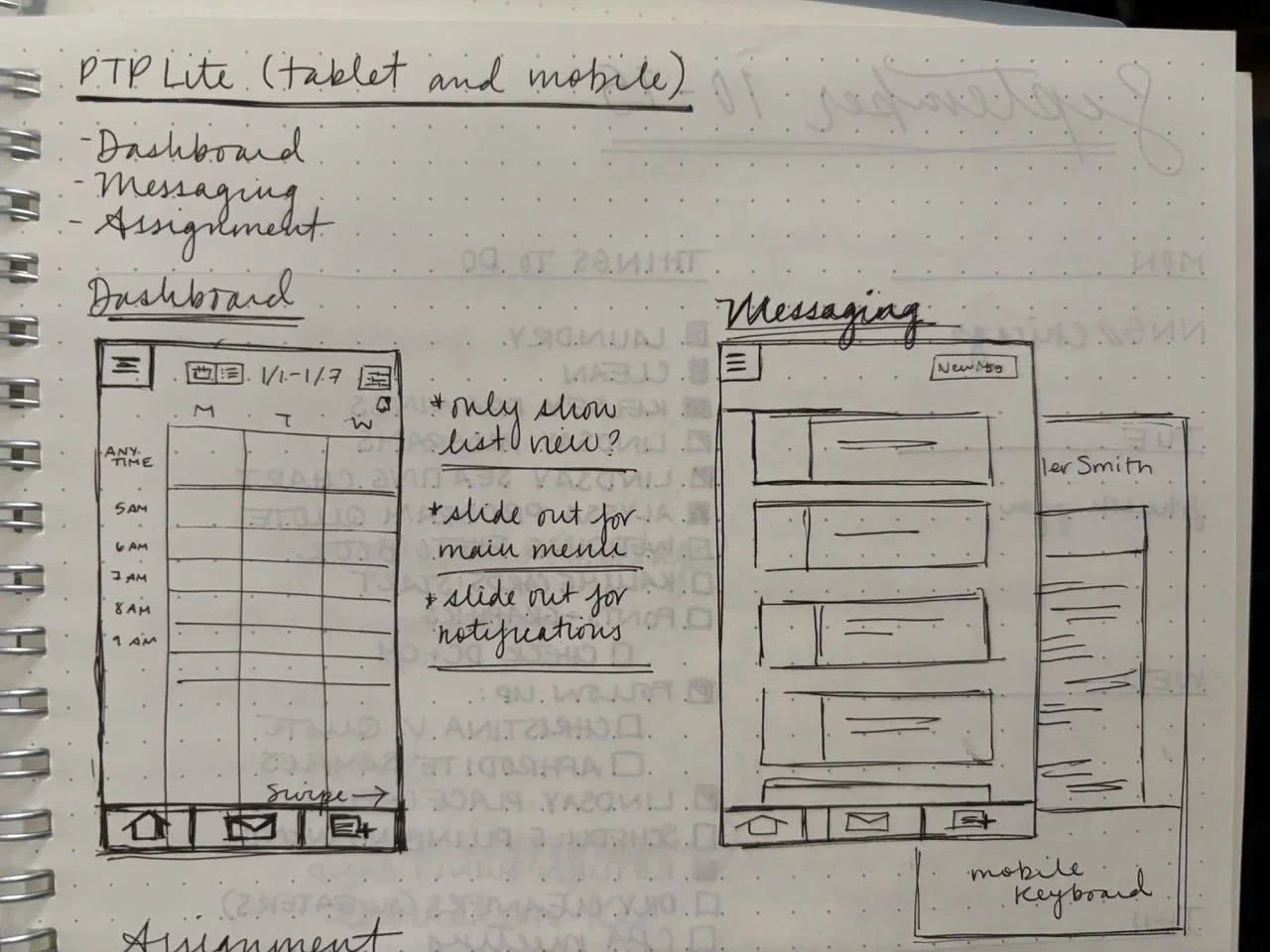
I translated the research and product requirements into user flows and wireframes before developing the interface across device types. This allowed the experience to maintain a consistent structure while adapting to the needs and limitations of each platform.
Designing for Different User Needs
Personal trainers needed to manage relationships and create workouts. Exercisers needed a clear view of what had been assigned and how they were progressing. Gym owners needed broader visibility into activity across their facility. Rather than treating these as separate products, the experience was structured around the information and actions each user needed while keeping them connected through a shared system.
Collaboration & Delivery
Connecting the experience from design through development.
I worked with the development team to translate the experience across Matrix consoles and personal devices. Because multiple users, platforms, and teams were involved, clear documentation became an important part of the design process. Maintaining shared requirements, flows, and design decisions helped keep stakeholders, design, and development aligned as the product moved toward implementation.
The Final Experience
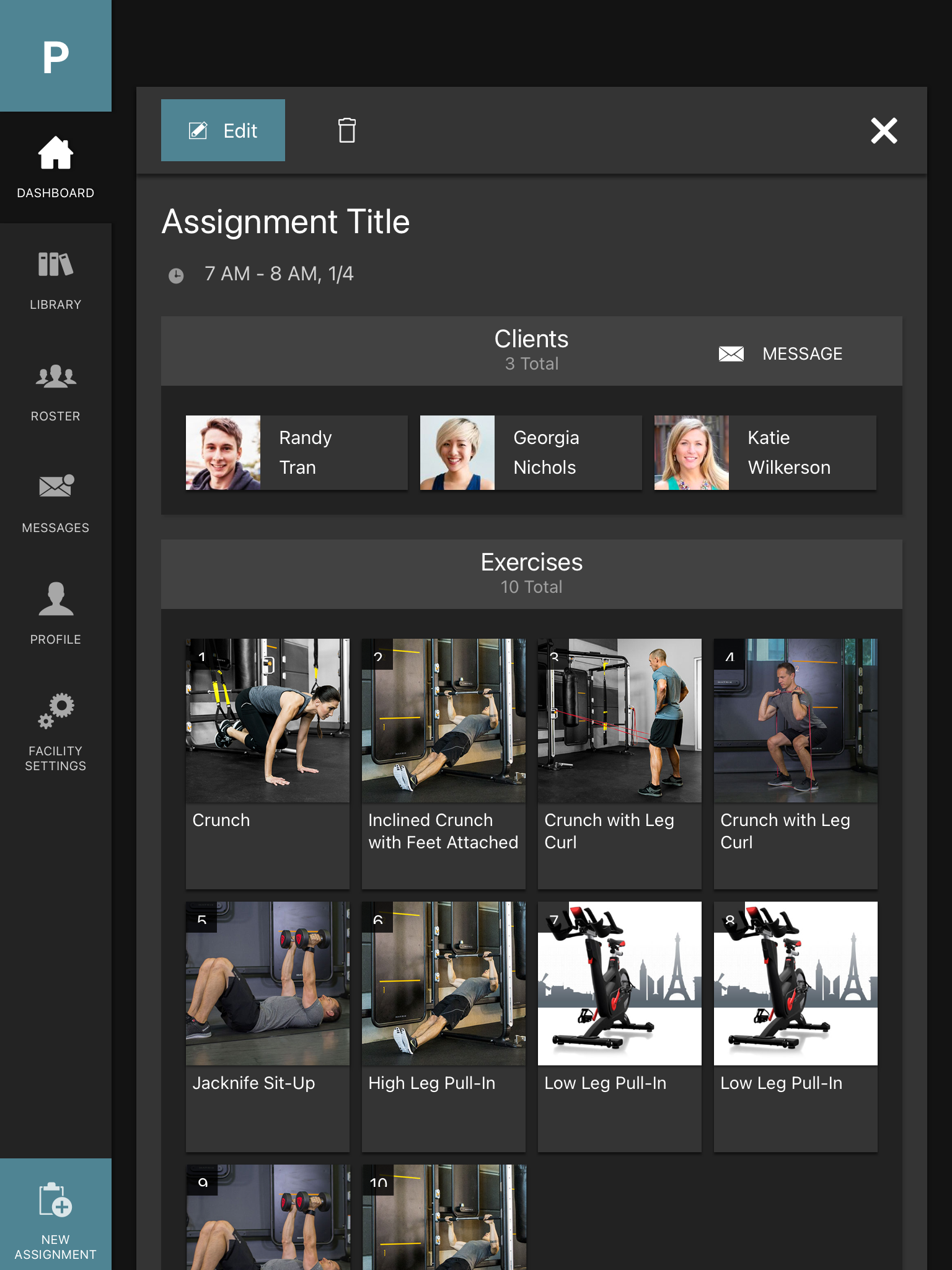
A connected system built around the relationship between trainers and exercisers.
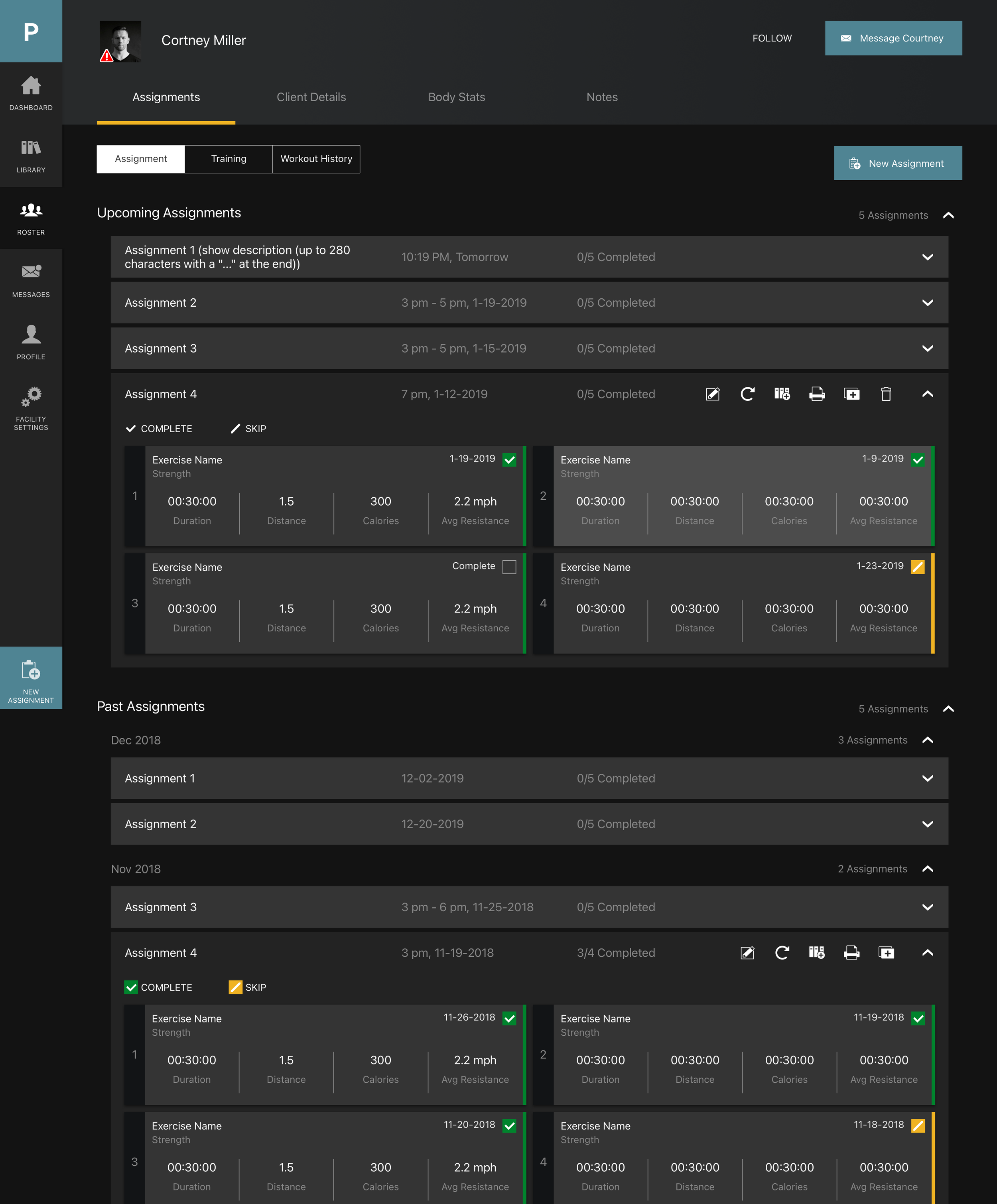
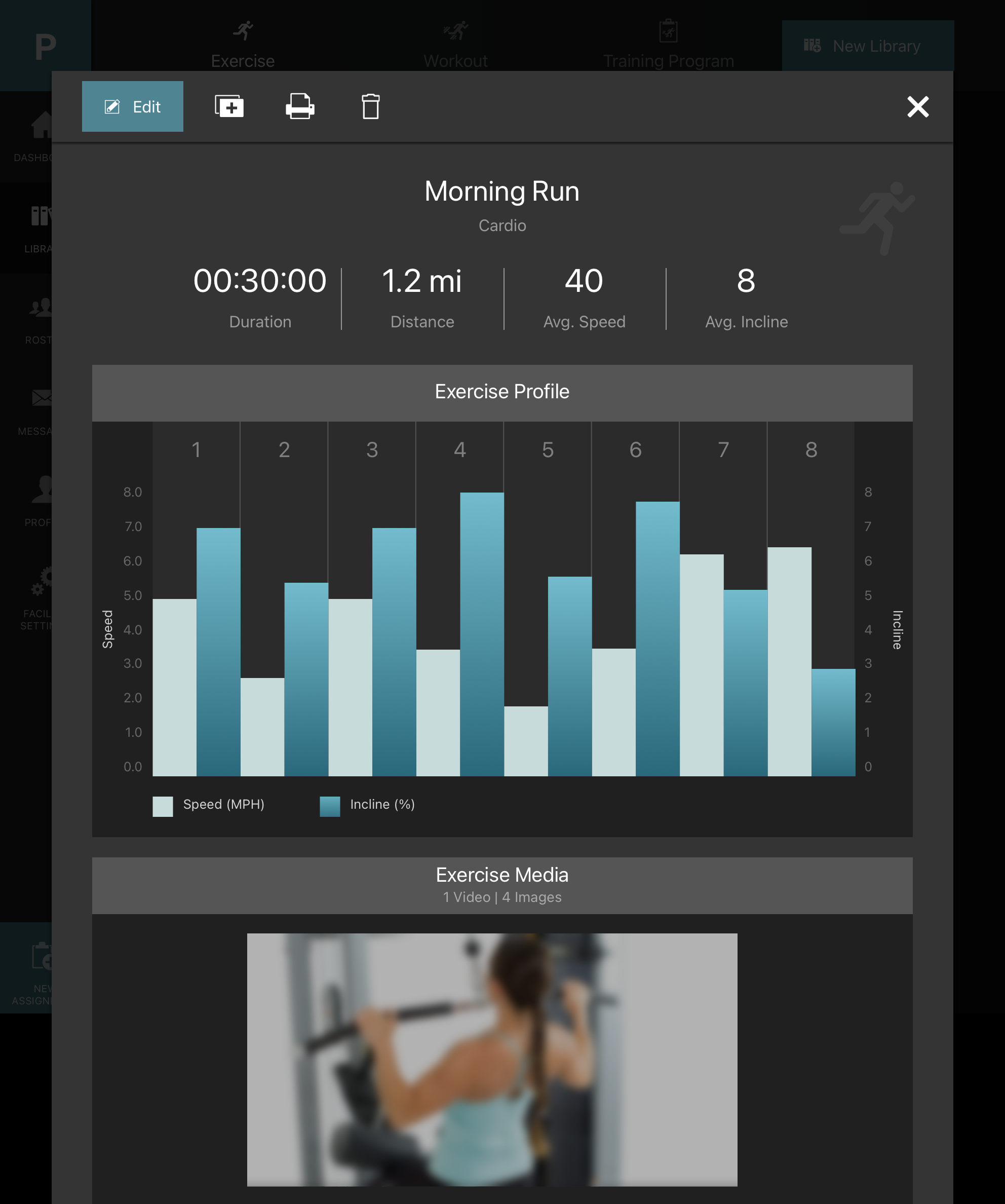
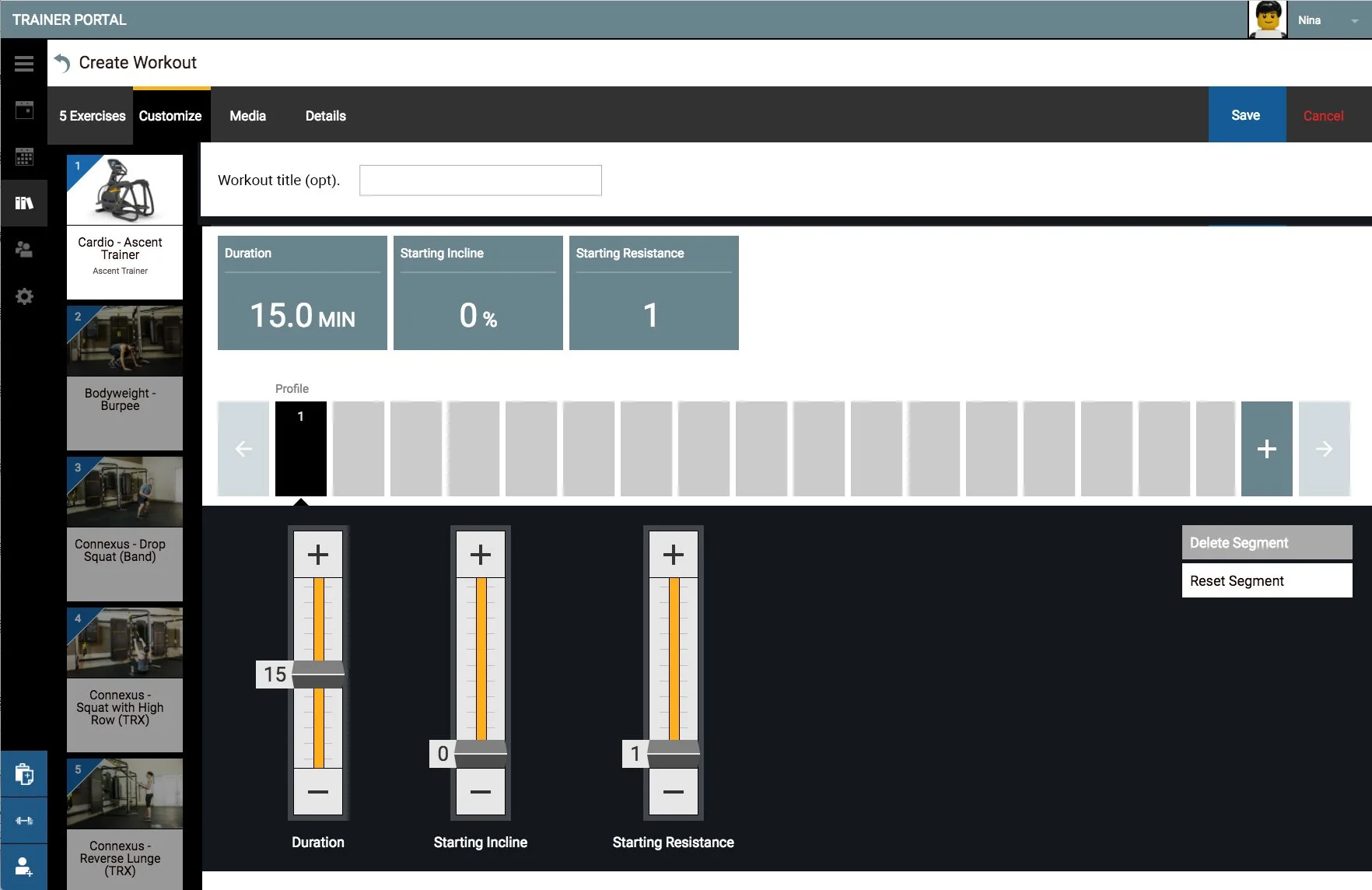
The resulting experience connected trainers, exercisers, and gym owners through a shared ecosystem while adapting the interface to very different devices and usage contexts. Users could move between personal devices and fitness equipment while maintaining the context of their workouts, assignments, and progress.
Outcome & Reflection
The project brought several previously separate fitness experiences into a connected system spanning multiple users and device types. It was immediately implemented by fitness facilities in the US and Europe.
Designing for multiple audiences isn’t simply about accommodating more features. It’s about understanding where their needs overlap, where they diverge, and creating a system that can support both without becoming unnecessarily complicated. This project reinforced the importance of thinking beyond individual screens and designing the relationships between users, platforms, and touchpoints as one connected experience.